Slotting vs. Die-Cutting: A Beginner's Guide to Choosing the Right Equipment
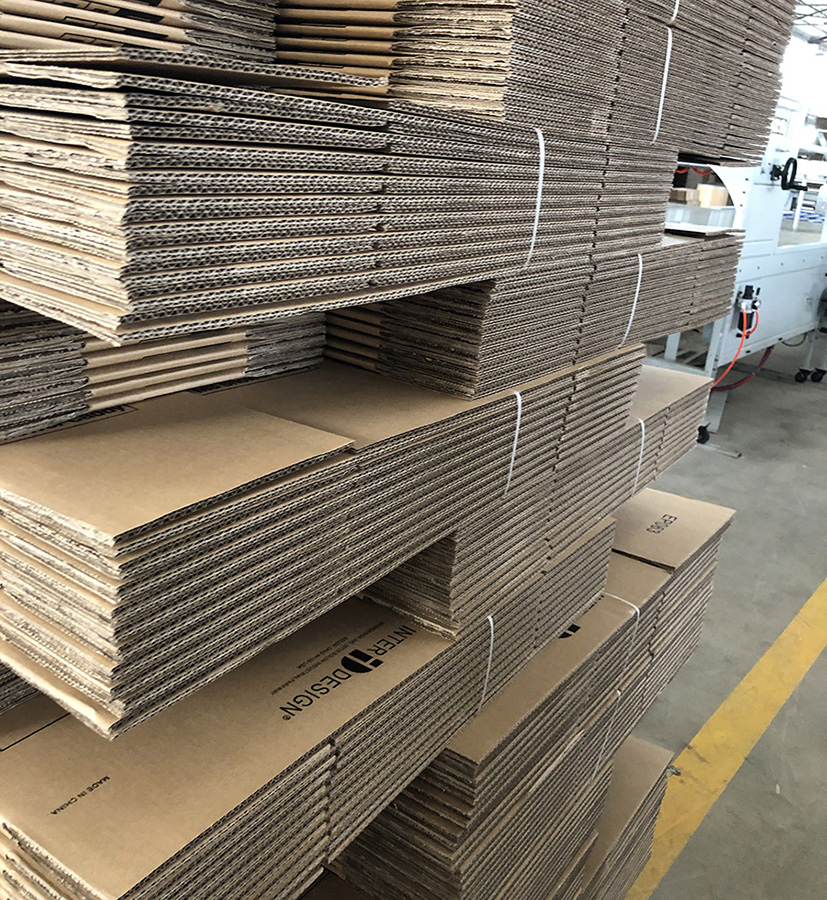
One-line conclusion: Slotting makes "standard boxes," die-cutting makes "custom shapes." But in reality, most customers choose both together — the key isn't "either/or," it's getting the ratio and division of labor right.
1. The Essential Difference (One Table Says It All)
| Slotting | Die-Cutting | |
|---|---|---|
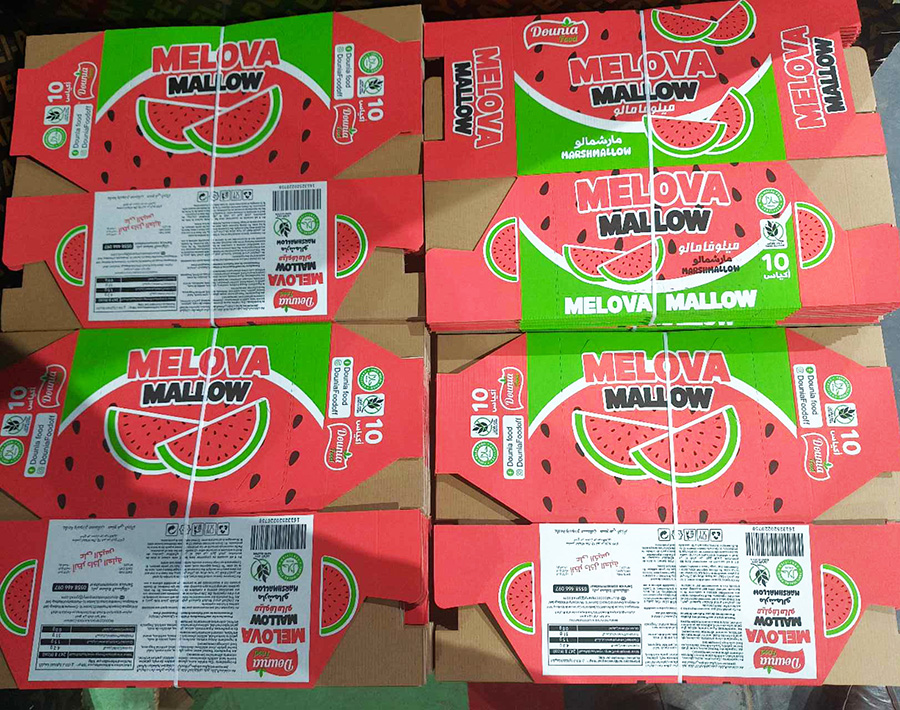
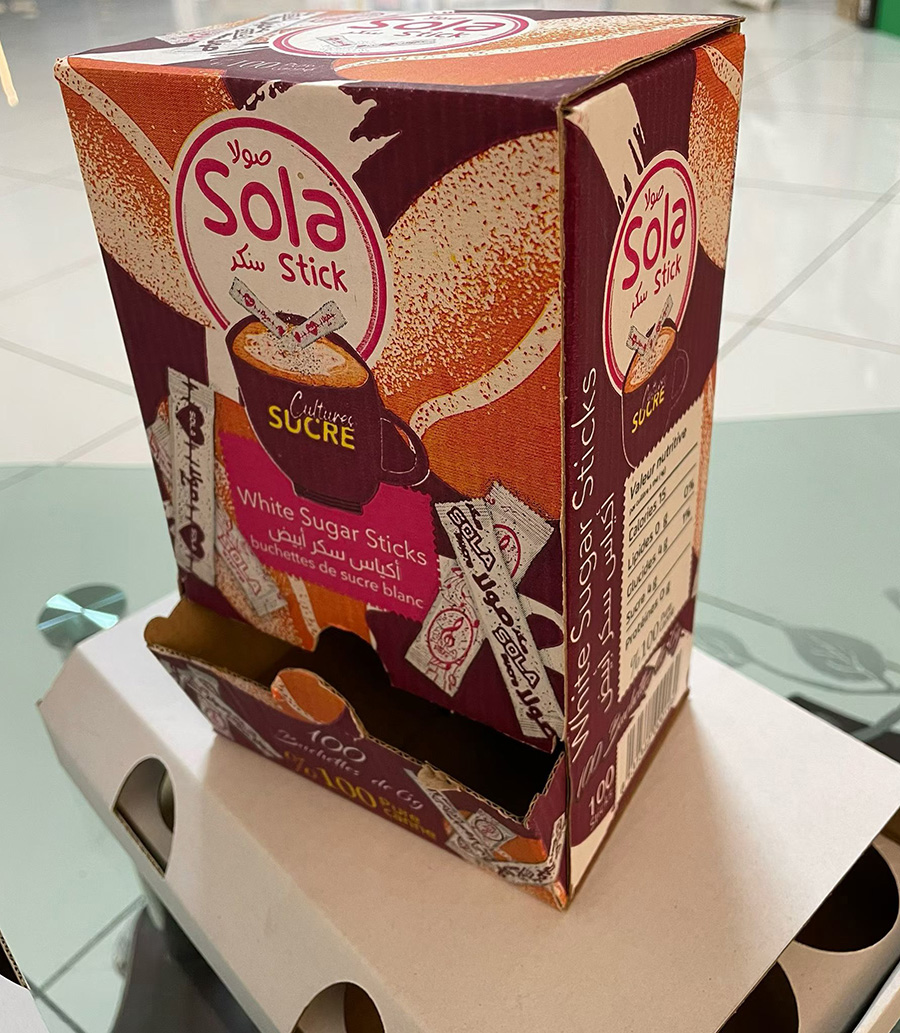
| What it makes | Standard slotted boxes (shipping boxes, RSCs) | Custom-shaped boxes (handles, windows, special flaps, crash-lock, displays) |
| How it cuts | Straight knives, adjustable positions | Custom-shaped rotary die, presses any contour |
| Changing box style | Adjust knives, a few minutes | Change the whole die, requires die inventory |
| Tooling cost | Essentially zero | One custom die per design, fixed cost |
| Best for | Many styles, small batches, frequent changeovers | Few styles, large batches, long runs |
2. Selection Comes Down to Three Questions
Q1: What share of your orders are standard square boxes?
-
Over 80% → Prioritize slotting; best value, fastest payback
-
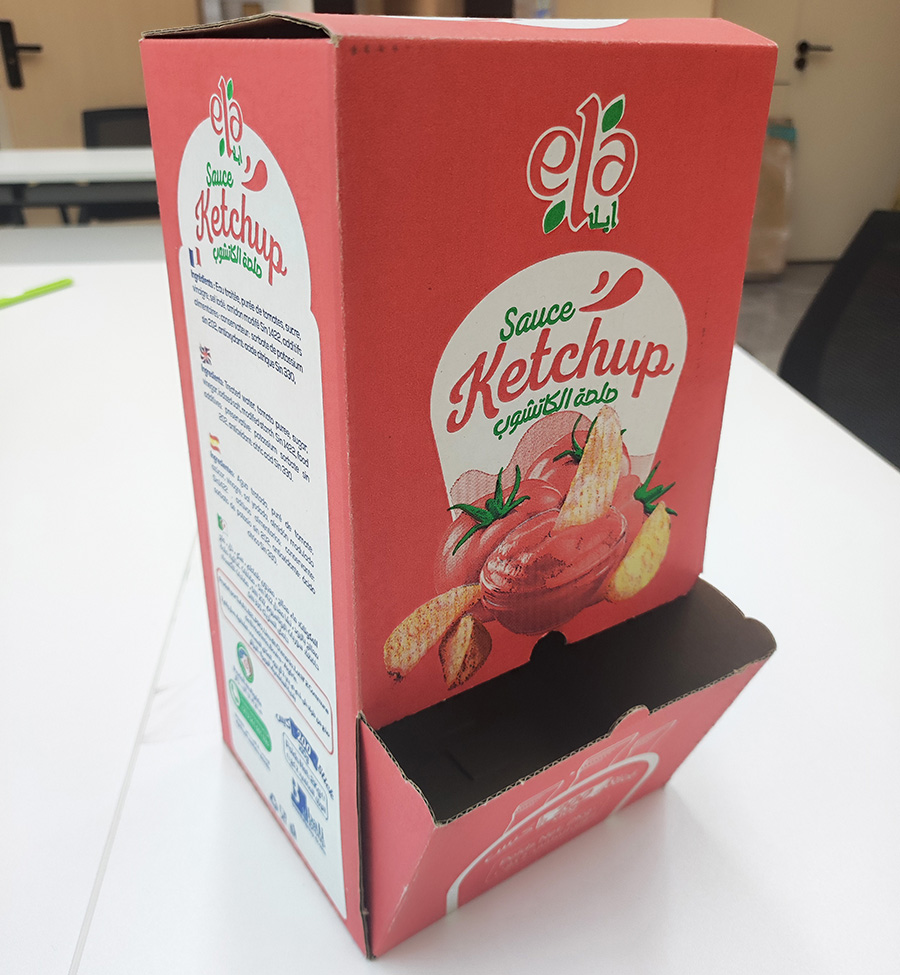
High share of custom orders → Die-cutting is a must; a slotter simply cannot make handles or custom structures — this is a hard threshold
Q2: Do customers need handles, windows, or special flaps?
-
No → Slotting is enough
-
Yes → Die-cutting is mandatory; no amount of adjustment solves it
Q3: How many box styles do you change per week?
-
Frequent changeovers → Slotting (fast knife adjustment, zero tooling cost)
-
Few styles, long runs → Die-cutting (die cost amortizes well)
3. Key Point: Choosing Slotting + Die-Cutting Together — How to Configure It Right
This is the real scenario for most customers — they run both standard boxes and custom orders. Putting both a slotting unit and a die-cutting unit on one machine isn't about "can they both fit" — it's about "how they divide the work and in what order material passes through."
1. The two units work in parallel, not either/or
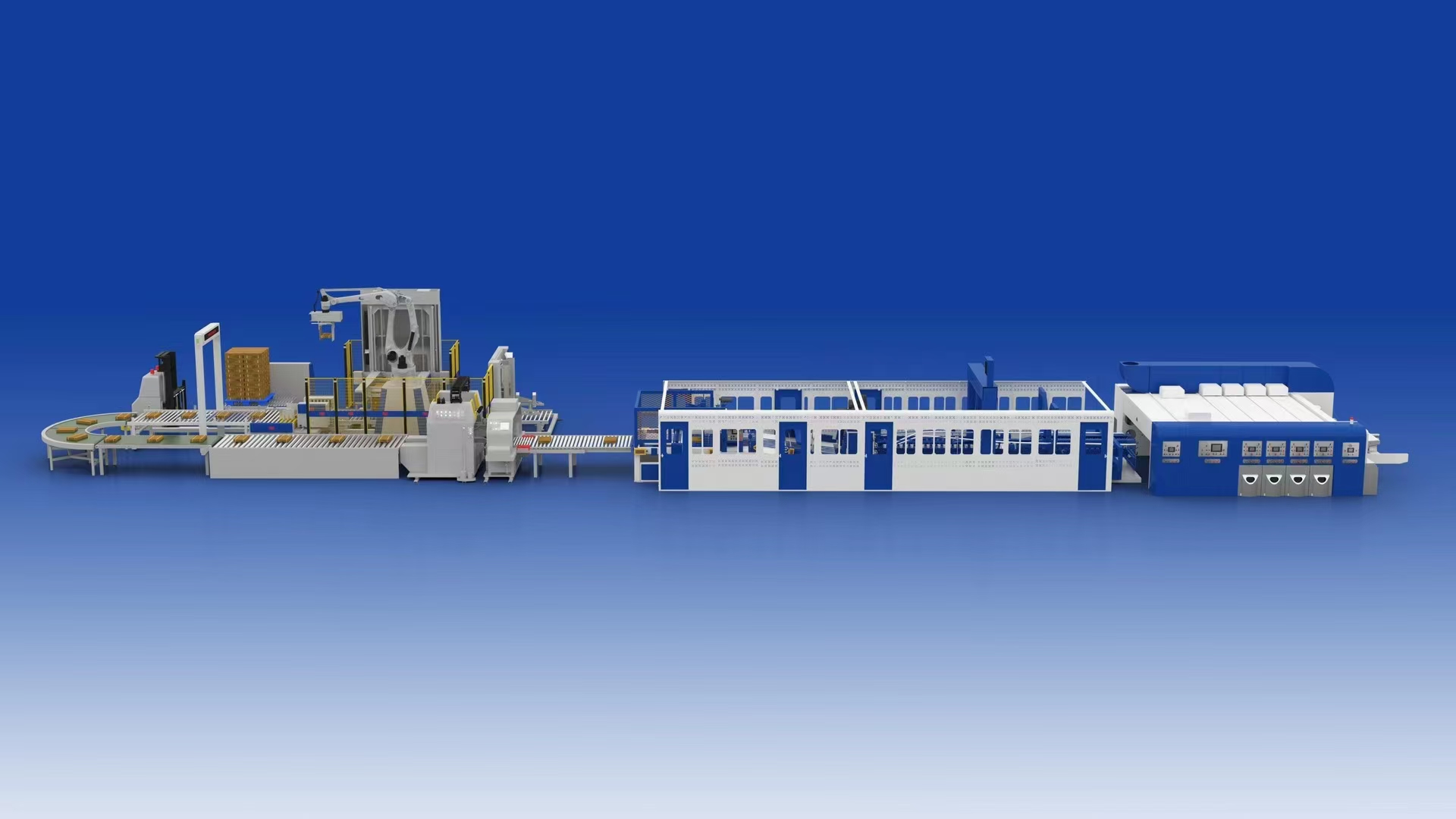
On the same machine, slotting and die-cutting are two independent stations. For standard boxes, material runs through the slotting unit (die-cutting unit idles or is skipped); for custom boxes, it runs through the die-cutting unit (slotting unit is skipped). The value of an all-in-one machine is exactly this: no switching equipment, no second feeding — one line handles both order types.
2. Recommended configuration order: slotting first, die-cutting after
-
Slotting unit handles the "regular mainstay": high volume, fast setup — place it earlier in the line for maximum daily throughput
-
Die-cutting unit handles the "custom increment": die changes take time — place it later so switching to custom orders doesn't disrupt continuous standard-box production
-
The folder-gluer sits at the end, shared by both box types — no duplicate configuration needed
3. When choosing both, focus on these three matching points
| Matching Point | Why It Matters |
|---|---|
| Slotting setup speed | Determines daily changeover efficiency; standard boxes are the base business — this can't be slow |
| Die-change convenience | Custom orders usually come in smaller batches; fast die changes directly determine whether die-cutting makes money |
| Speed matching between the two units | If slotting runs fast but die-cutting lags, the whole line is dragged down by die-cutting; choose speed tiers based on your order mix |
4. When is choosing both the right call?
-
Customer mix is "mostly standard boxes + some custom orders" (the most common case)
-
You want one machine to cover both logistics packaging and retail packaging markets
-
Custom orders have a steady, stable volume so die costs amortize
5. When is choosing both NOT recommended?
-
Custom orders are sporadic — barely a few a year → the die-cutting unit sits idle, wasting equipment spend and maintenance
-
Tight budget and standard boxes aren't stable yet → start with slotting, keep die-cutting as a later upgrade
-
Custom orders have too many styles at tiny volumes → die costs won't amortize; outsourcing die-cutting is more economical
4. One-Line Principle for All-in-One Configuration
Slotting protects the base business; die-cutting captures the increment. Choosing both only makes sense when: custom volume is stable, die changes are fast enough, and the two stages' speeds match. Otherwise, secure slotting first and add die-cutting later.
5. Priority When Budget Is Limited
Printing precision > Slotting stability > Die-cutting unit (upgradeable later)
Conclusion
-
Slotting = your bread and butter: captures most regular orders, efficient and stable
-
Die-cutting = the key to high-value orders: differentiated products, opening retail, food service, and display markets
-
Slotting + die-cutting together = one machine handles both order types, but only with the right ratio, clear division of labor, and fast die changes
For newcomers, don't buy the most fully equipped machine — buy the one that matches your current order structure. Get standard boxes stable and fast first; add die-cutting once custom volume justifies it — and even when choosing both, think it through in that order.