How to Choose Corrugated Box Production Equipment: A Practical Guide to Water-Based Printing, Slotting, Die-Cutting, and Gluing/Flexo-Folder-Gluer Lines
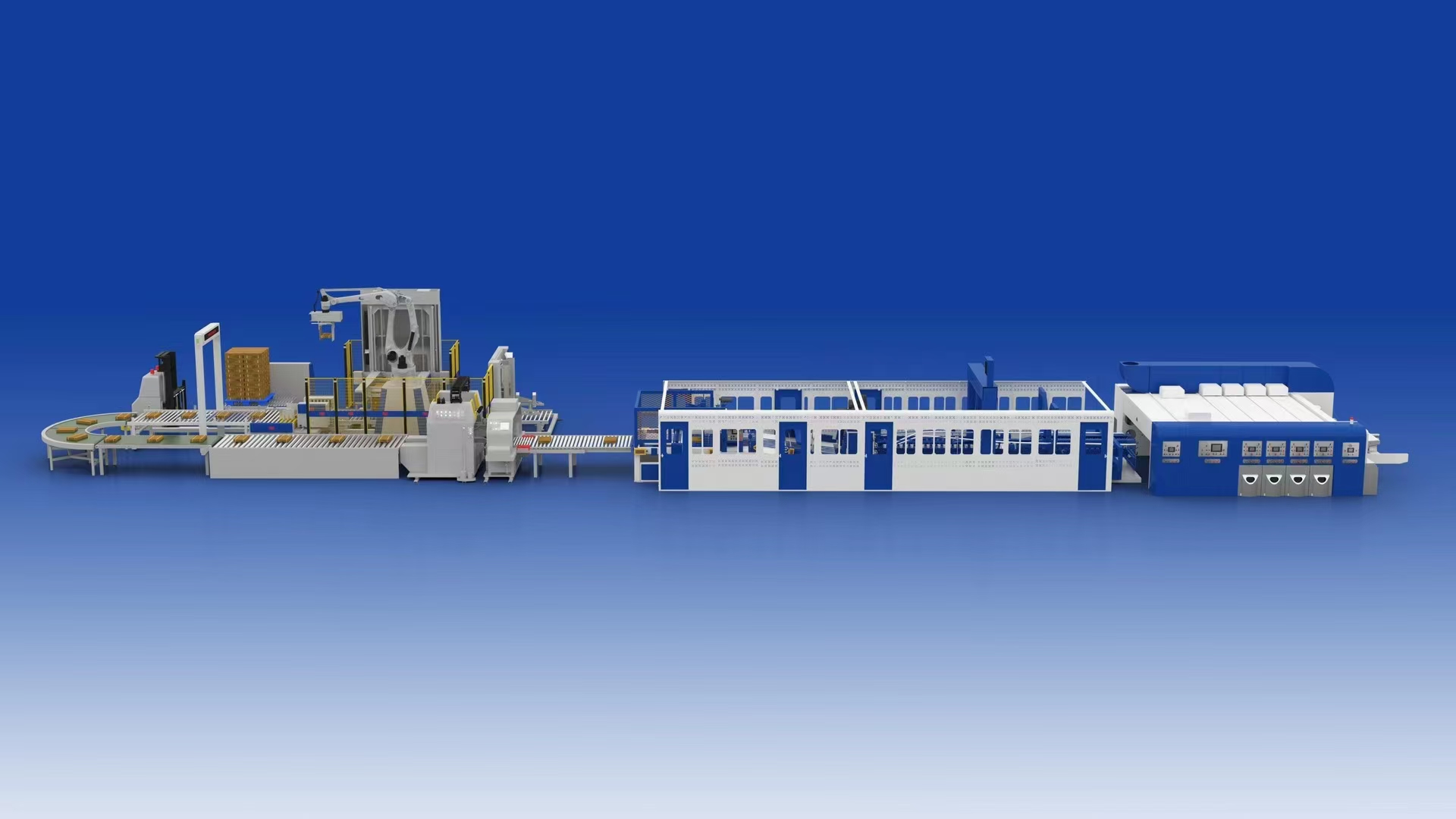
Investing in corrugated box production equipment is one of the biggest decisions a box plant will ever make. The right line keeps your plant productive and profitable for a decade or more; the wrong one locks you into unnecessary cost and downtime. This guide focuses on one of the most common equipment categories — the combined water-based printing, slotting, die-cutting, gluing, and stitching machine — and how to choose it wisely.
Start with Your Order Mix, Not the Machine
The most common mistake buyers make is comparing machines first. In reality, the right configuration flows directly from the orders you actually receive. Before you talk to any manufacturer, analyze your order profile in three dimensions: stitching volume, gluing volume, and box sizes.
1. If stitching accounts for less than 30% of your volume, consider a print-slot-glue inline line with manual stitching
Many plants assume they need a full print-slot-die-cut-glue-stitch all-in-one machine. But if stitched boxes make up less than 30% of your total output, that capability may be overkill. In this case, a print-slot-glue inline line (GMFG series) plus manual stitching for the remaining stitched orders can save you a substantial amount of capital — a glue-only inline line is considerably less expensive than a combined glue-and-stitch line. You get the automation where it matters most, and keep manual stitching as a flexible, low-cost backup for the smaller share of stitched work.
2. If gluing accounts for less than about 30% of total box weight, consider a print-slot-die-cutter plus a standalone gluer
If glued boxes are a small share of your business — roughly under 30% of total box weight — you don't necessarily need an inline gluing line at all. A print-slot-die-cutting machine (GMVP series) combined with a separate, standalone gluer can handle the workload at significantly lower cost. This modular approach gives you die-cutting capability for complex orders and gluing capacity sized to your actual glue volume, without paying for inline integration you won't fully utilize.
3. Choose the number of print colors based on your actual orders
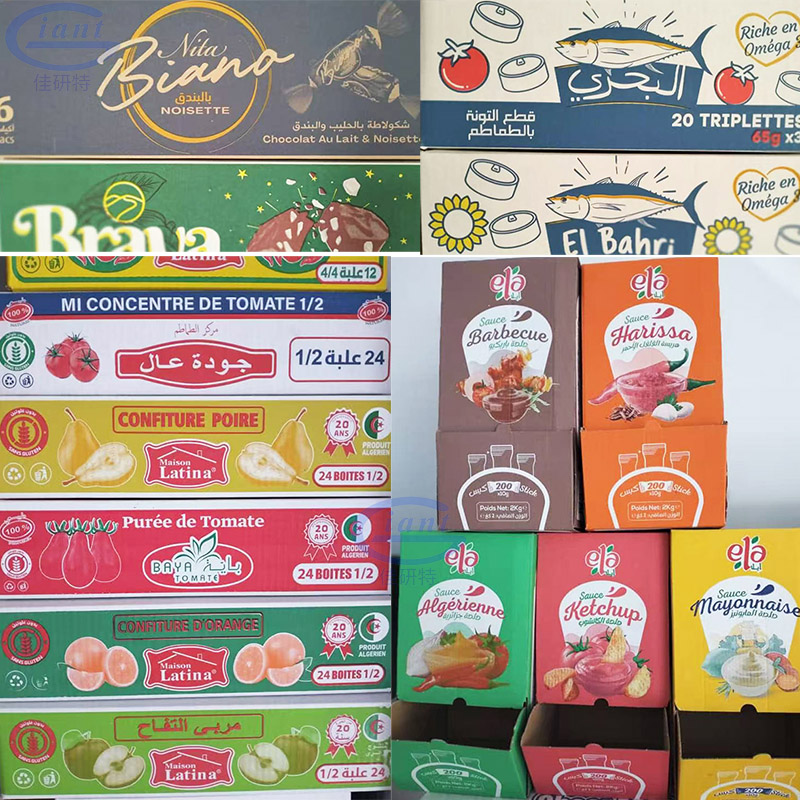
Color count should be driven by the orders you accept, not by what looks impressive on a spec sheet. Machines range from single-color to multi-color, with up to six colors available. In practice, four colors meet the needs of the vast majority of orders for most box plants. Buying more colors than your order mix requires ties up capital in print units that sit idle.
4. Match machine size to your maximum and minimum box dimensions
Print-slot-die-cutting machines come in different sizes, and the correct specification depends on the largest and smallest boxes you need to produce. Determine your size range before you contact any manufacturer. Only then can you select the machine that fits your production — large enough for your biggest orders, appropriately sized for your smallest, and no larger than necessary. Getting this right protects production capability while avoiding the cost of oversized equipment.
Why Corrugated Equipment Prices Vary So Much in China
Buyers are often surprised by the wide spread in pricing for what appears to be the same machine category. This is normal in the Chinese market, and it comes down to two factors.
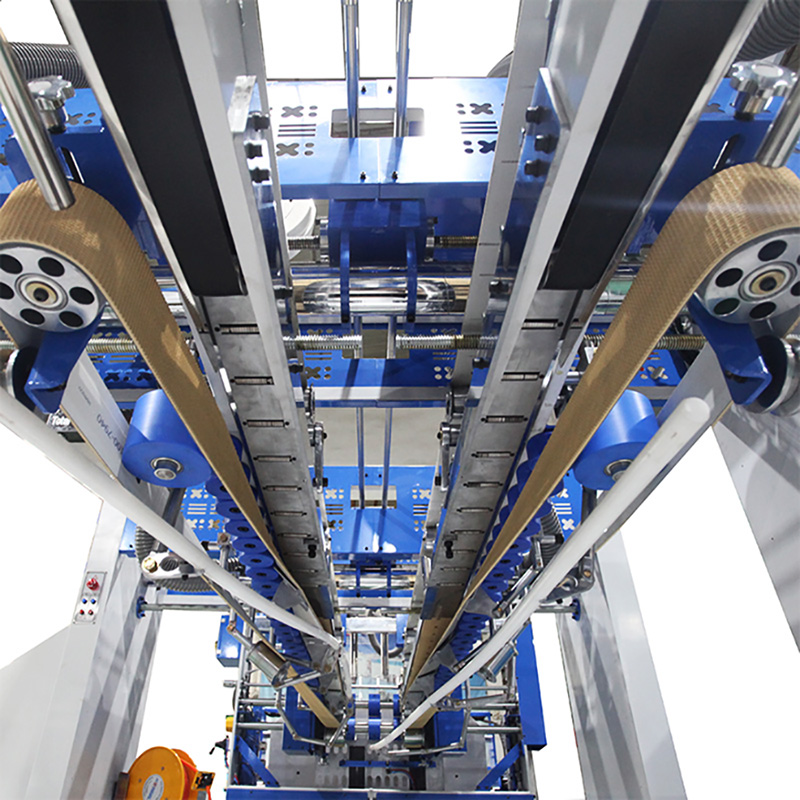
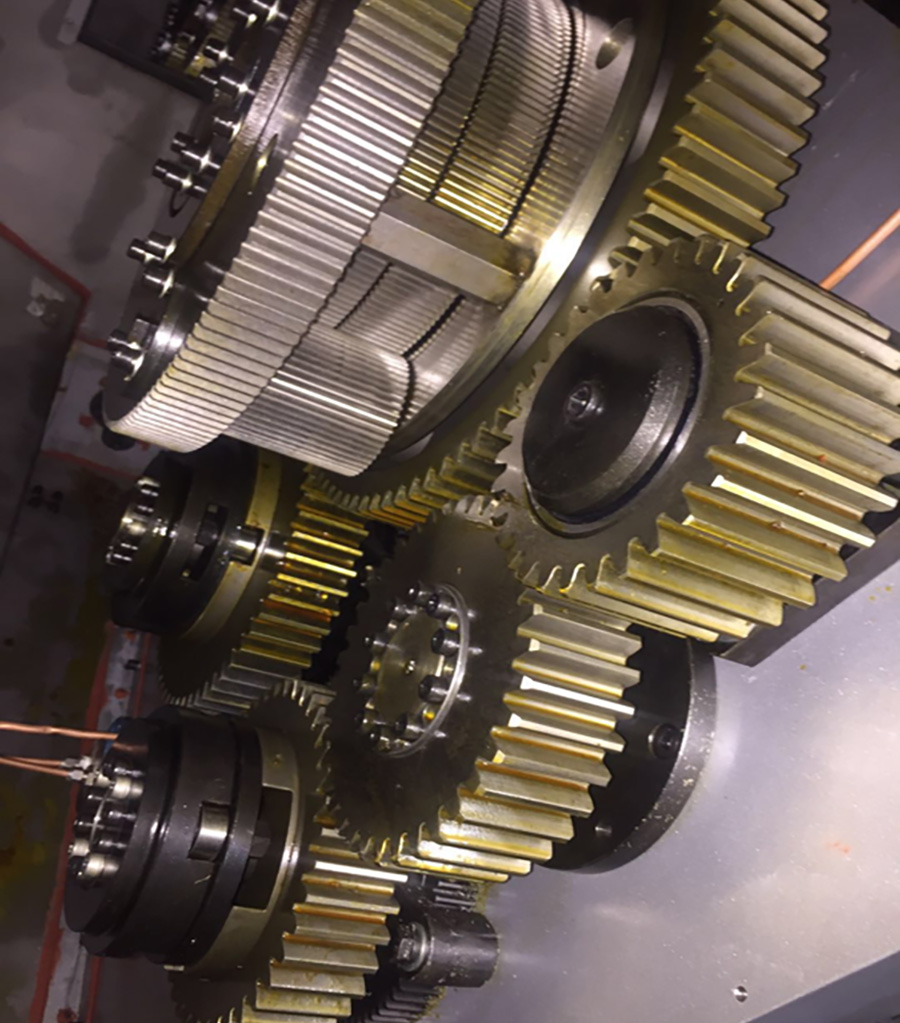
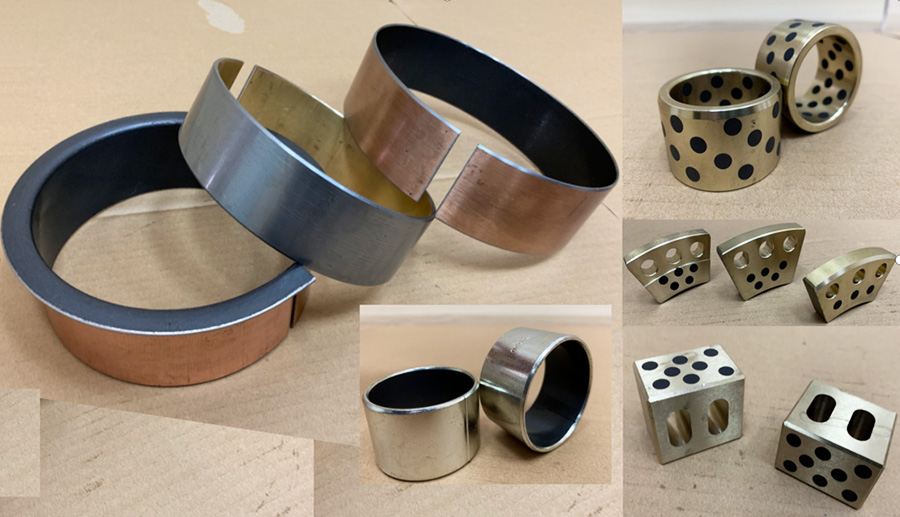
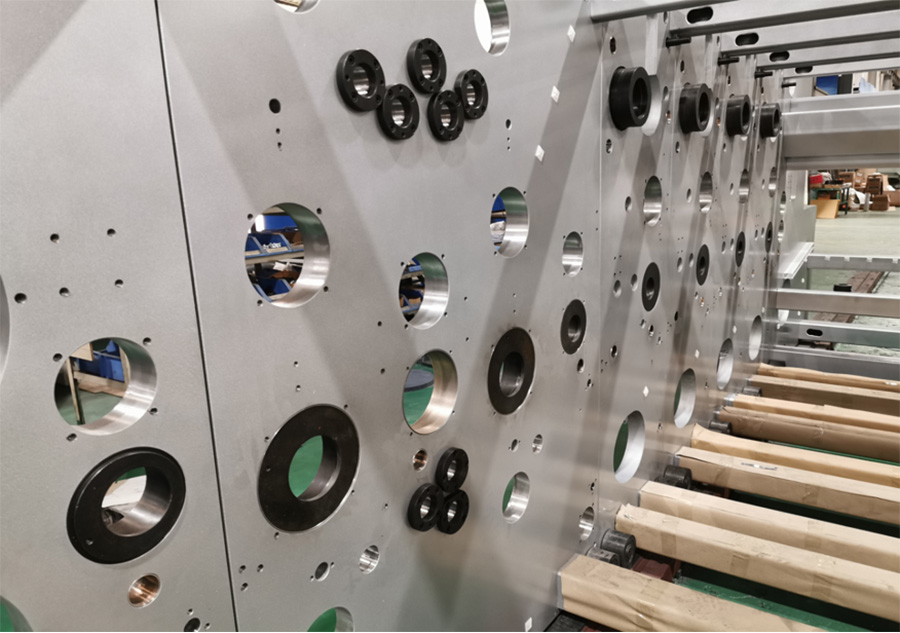
First, materials and components. The thickness of the machine body, the bearings, doctor blades, anilox rollers — even the quality of a single nut — can differ enormously between manufacturers. These differences don't show up in a brochure, but they determine how the machine performs and how long it lasts.
Second, technology and intelligence. The degree of automation, changeover time between orders, and production speed all vary significantly. A faster changeover can mean the difference between winning and losing short-run orders; higher production speed directly affects your cost per box.
The lesson: don't let a short-term saving compromise the next ten years of production. A box plant is a major capital investment, and the decision deserves careful evaluation of the total cost of ownership — not just the purchase price.
A Checklist Before You Buy
-
Analyze your order mix: stitching share, gluing share (by weight), color requirements, and box size range
-
Decide between an inline line (GMFG series), a modular print-slot-die-cutter plus standalone gluer (GMVP series), or a full combined line
-
Confirm your maximum and minimum box dimensions before requesting quotes
-
Compare machine body thickness, component quality, changeover time, and production speed — not just price
-
Evaluate total cost of ownership over the machine's service life
-
Choosing the right equipment is about matching the machine to your business — no more, no less. If you'd like help evaluating which configuration fits your order profile, our team is happy to walk you through the options.